
The Need for Global Left Unity
The Working-Class Does Not Have the Time for Disunity.

The world needs the left to act in a united form. The working-class does not have the time for disunity. Lives are at stake.
The need for left unity is not an abstract moral desire but a concrete political necessity. At a time of deep capitalist crisis, widening inequality, imperialist war, ecological catastrophe, and the steady assault on democratic and labour rights, the fragmentation of the Left weakens the only social force capable of transforming society: the working class. The central obligation of all left forces today is therefore to strengthen the unity, clarity, and confidence of the working class.
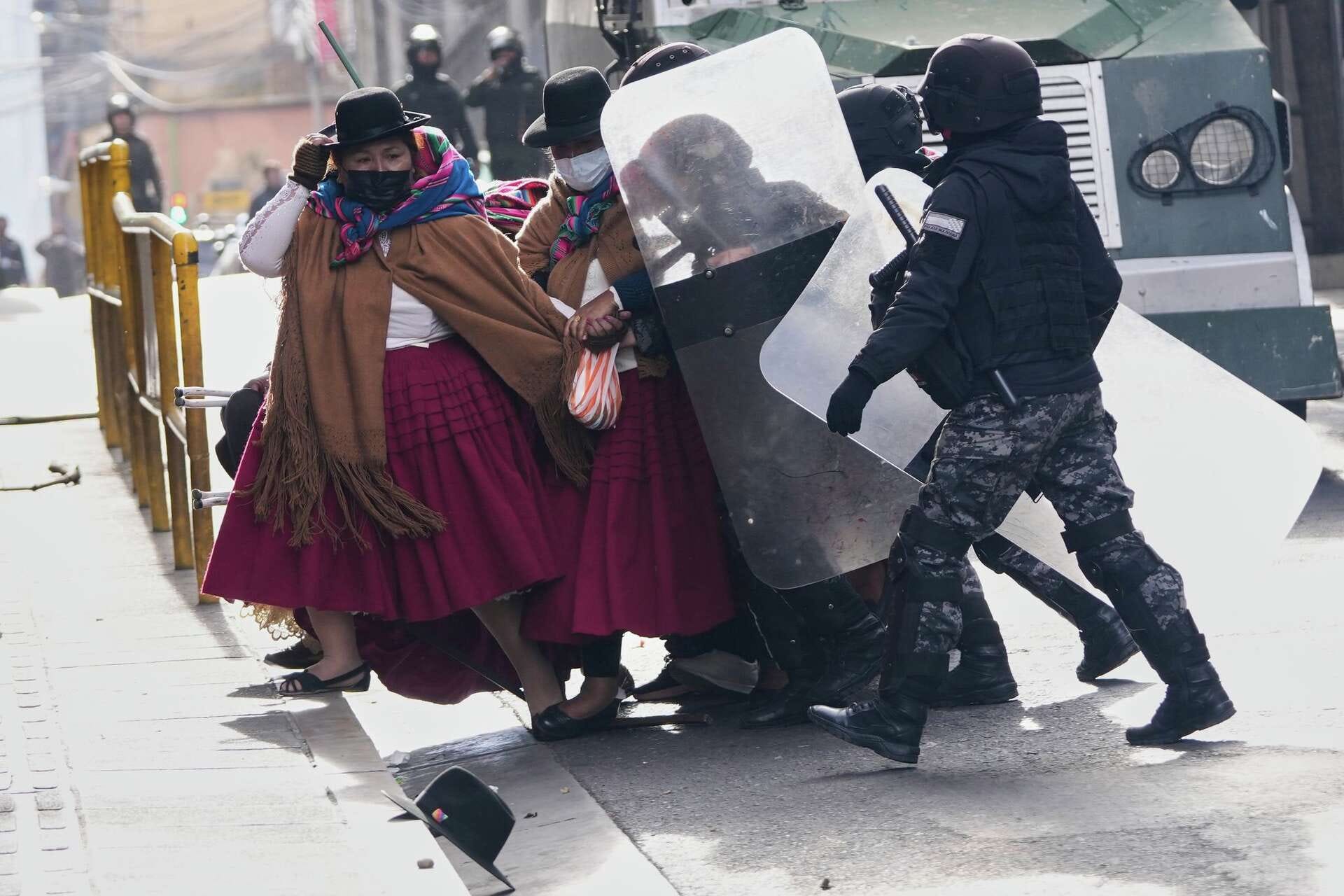
(Bolivia)
Unity is necessary because the ruling classes are highly organised. Capital moves across borders with ease, states coordinate repression and austerity, and reactionary ideologies are amplified through powerful media and institutional networks. Against this concentrated power, scattered and sectarian left formations cannot effectively defend workers and peasants, let alone advance a transformative project. Workers experience exploitation collectively; their response must therefore also be collective.
Such a view does not mean that political differences disappear. The Left has always contained a diversity of traditions, analyses, and strategic perspectives. Differences over programme, strategy, and tactics are inevitable and, in many cases, healthy. Serious political questions require debate. But such disagreements must not become the basis for paralysis or mutual destruction. The task is to find forms of operation where differences can coexist without undermining the broader struggle of the working class.
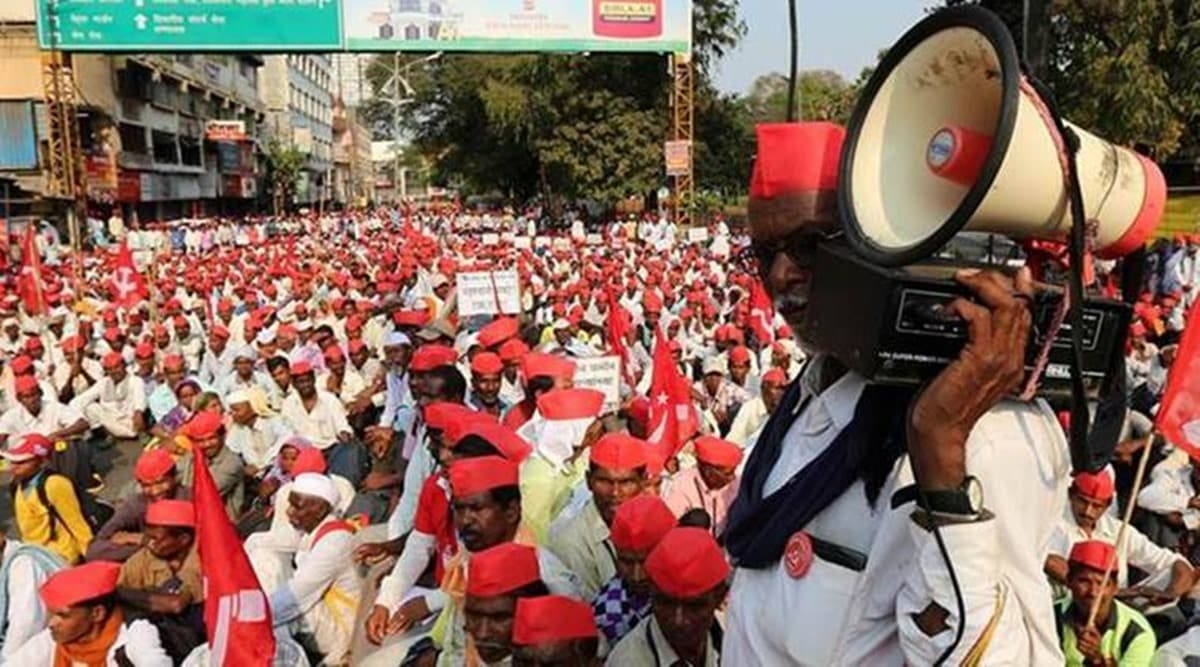
(India)
The history of progressive movements teaches an important lesson: unity in action is often more decisive than complete ideological agreement. Workers learn through struggle itself. When left organisations fight together against privatisation, against fascism, against war, against attacks on unions, or for land, wages, housing, and dignity, they build not only victories but confidence. Shared struggle creates political clarity far more effectively than endless polemics detached from mass movements and from working-class communities.
Sectarianism weakens the people. When left organisations treat each other as primary enemies rather than comrades with differing perspectives, the only beneficiaries are the forces of capital and reaction. Endless fragmentation confuses ordinary people, discourages participation, and creates cynicism about politics itself. The working class does not need competing banners seeking organisational advantage; it needs instruments capable of advancing collective power.
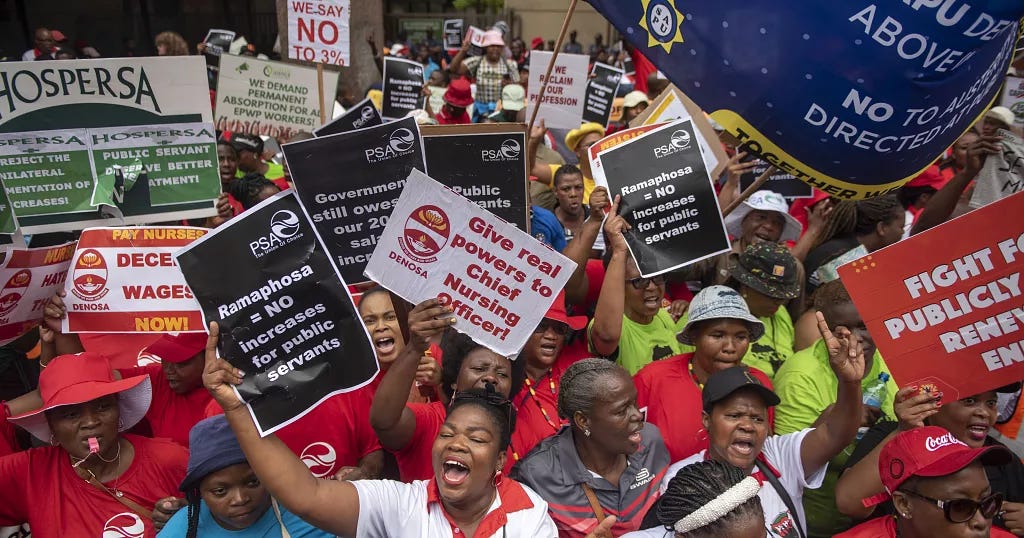
(South Africa)
A mature left politics therefore requires discipline in disagreement. Debates should occur where they matter and where they clarify strategy, not as permanent public warfare. Tactical and programmatic differences should be approached with seriousness and patience, always asking whether a disagreement advances or obstructs the unity and consciousness of the people. The principle should be simple: united front in action, disagreements only when necessary.
The united front remains indispensable precisely because it allows different left currents to work together around immediate struggles while retaining their political identities. Such unity does not erase ideological distinctions; it places the interests of the working class above narrow organisational competition. It recognises that workers gain confidence when they see collective strength, not division.
Today the Left must recover this spirit of responsibility. Every organisation, party, union, and movement must ask whether its conduct contributes to the political education, confidence, and unity of working people. The objective is not uniformity but common struggle. Without such unity, the crises of our time will continue to be resolved in favour of capital and reaction. With it, the possibility emerges for a democratic, socialist, and humane future.
The world needs the left to act in a united form. The working-class does not have the time for disunity. Lives are at stake.
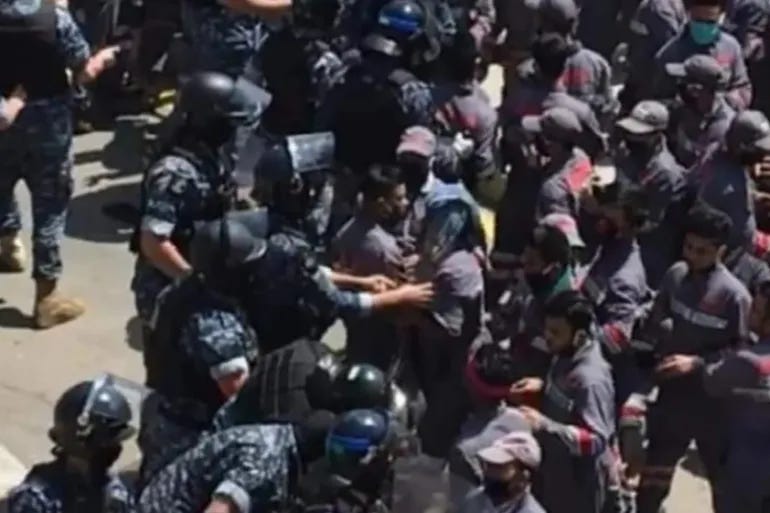
(Lebanon)
Vijay Prashad is the Director of Tricontinental: Institute for Social Research. Sign up for the weekly newsletter from the institute, the most recent being on the concept of ‘slow to mature’ - about how revolutionary processes must hasten to develop institutions and capacity quickly in perilous circumstances.
My favourite argument from this piece is that the Left’s fragmentation is politically self-defeating in conditions where capital is highly coordinated across borders and institutions - to paraphrase: we have to beat the Right in unity to defeat capitalism. With this view in mind, disunity weakens the only social force capable of challenging systemic crisis, inequality, and war.
At the same time, the piece is careful to distinguish unity from the suppression of disagreement: internal debates are seen as inevitable, but they should not become organisational paralysis or mutual undermining. Well-written!
Well said, Excellent message Vijay