
At Galle Face
A poem for Hands Off Asia

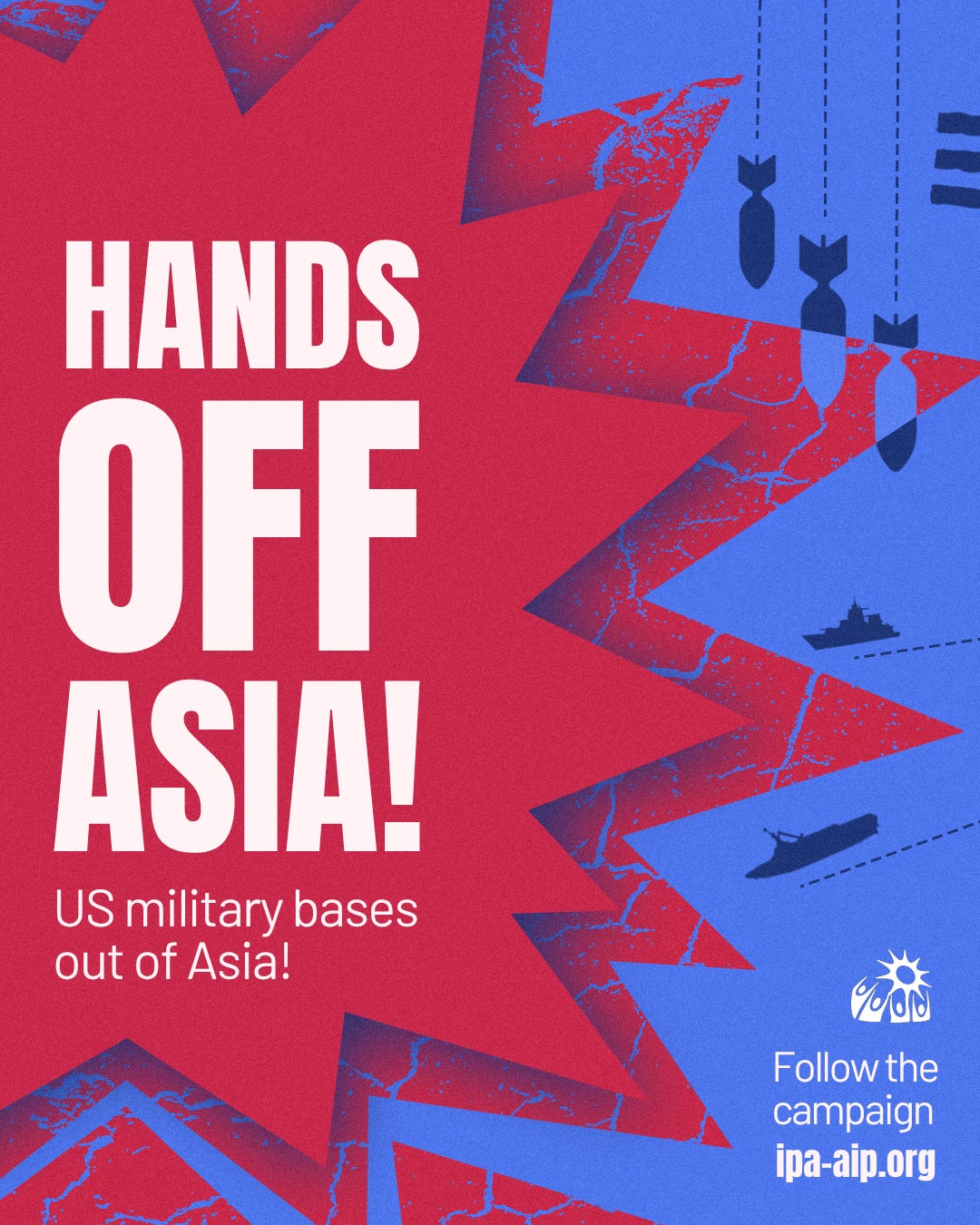
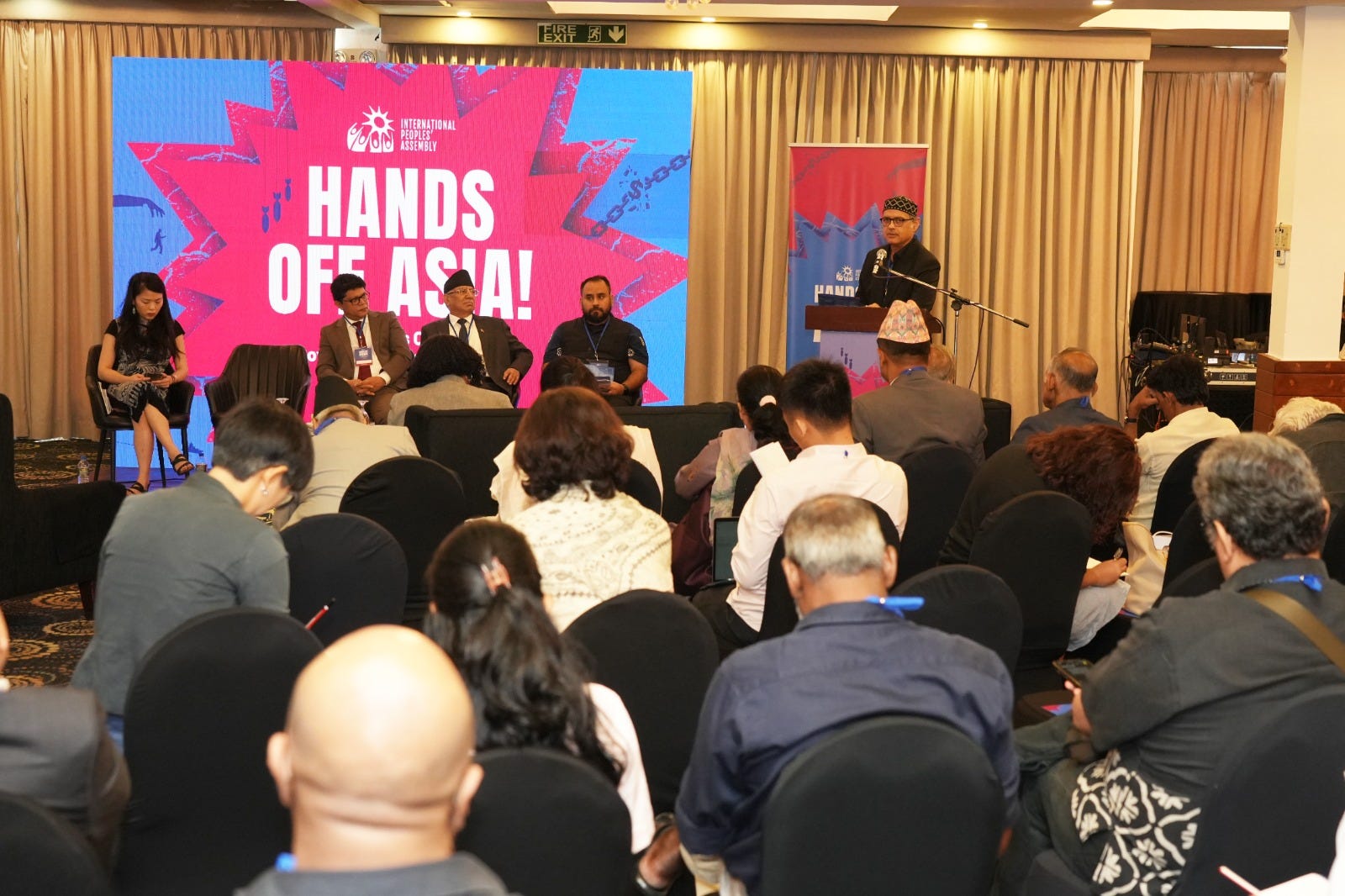
(At the Hands Off Asia meeting of the International Peoples Assembly and Tricontinental: Institute for Social Research, Dr. Ahilan Kadirgamar of the University of Jaffna said that the forts of the Portuguese, the Dutch, and the English should not be converted into tourist attractions but be left to rot and become ruins. The comment inspired the first half of the poem, but the poem itself was written over the three days of the meeting as I listened to leaders from political parties and social movements speak of the several reasons for US-led hyper-imperialism to depart from Asia taking all its instruments from IMF policy to war to militarisation with it).
The sea owes no allegiance; each new wave
arrives unarmed, performs its little task;
the fishermen pull morning from their nets,
the monks release their silence to the crows.
Only the charts arrive already armed,
their rulers sharpened on another coast.
Now Washington insists that peace requires
a larger fleet than any storm has known;
each harbour enters someone else’s plan,
each reef acquires a military name.
The ocean takes no notice. Under moon,
it makes its ancient argument with stone.
What language teaches war to call itself
the necessary labour of the free,
while liberty flies bright upon the mast
and missiles sleep beneath the painted deck?
The waves applaud no empire. Patiently
they grind the guns of empire back to sand.
Here cinnamon drifts through the evening streets,
three-wheelers bargain loudly with the rain.
Beyond the harbour an American fleet
keeps watch upon a sea it cannot own.
The sailors measure distance from the sky;
the terns read only wind, and fish, and tide.
They say the Indian Ocean must be safe:
safe for the tankers, cables, drones and trade,
safe for the profits crossing every wave,
safe for the flag that travels without roots.
Yet every port remembers other cargo:
the spice, the chain, the ledger, and the gun.
Diego Garcia: the runways burn
across the island emptied for their use;
here, on the Green, the tents have disappeared,
but grass remembers feet, and feet return.
The sea outlives the fleet; that is not freedom.
Freedom begins when those ashore refuse.
Old Ceylon, named and numbered by the flags
that made dependence look like nature’s law:
your truest map is neither base nor dock
but every hand that casts a net at dawn,
each market tongue that bargains through the rain,
every child who gives the shore new names.
Water is patient. History must learn.
Steel may command an anchorage by night,
yet never teach a current where to run
nor persuade the monsoon whom to serve.
The deepest water answers to no fleet;
it keeps its ancient promise to the moon.
And when the speeches rust like anchored hulls,
when one more doctrine founders in the surf,
the waves will still repeat what they have known
longer than admirals remember maps:
No ocean was created for an empire.
At dawn, the nets go out beneath its guns.
Colombo, Sri Lanka.
20 July 2026.
Wonderful..."The tide brought them in, the tide brought them out..." Le Cid/Corneille-the tide of History spans centuries and is all that more powerful. And so, woe betide the empire..." Oceano Nox: "Oh! how many sailors, how many captains, who departed happily for distant shores, have vanished in this gloomy horizon. How many have disappeared, harsh and sad destiny..."
Exquisite. The structure helps me to contain my thoughts and feelings, and carry them to the next line. My favorite poem of yours, so far!